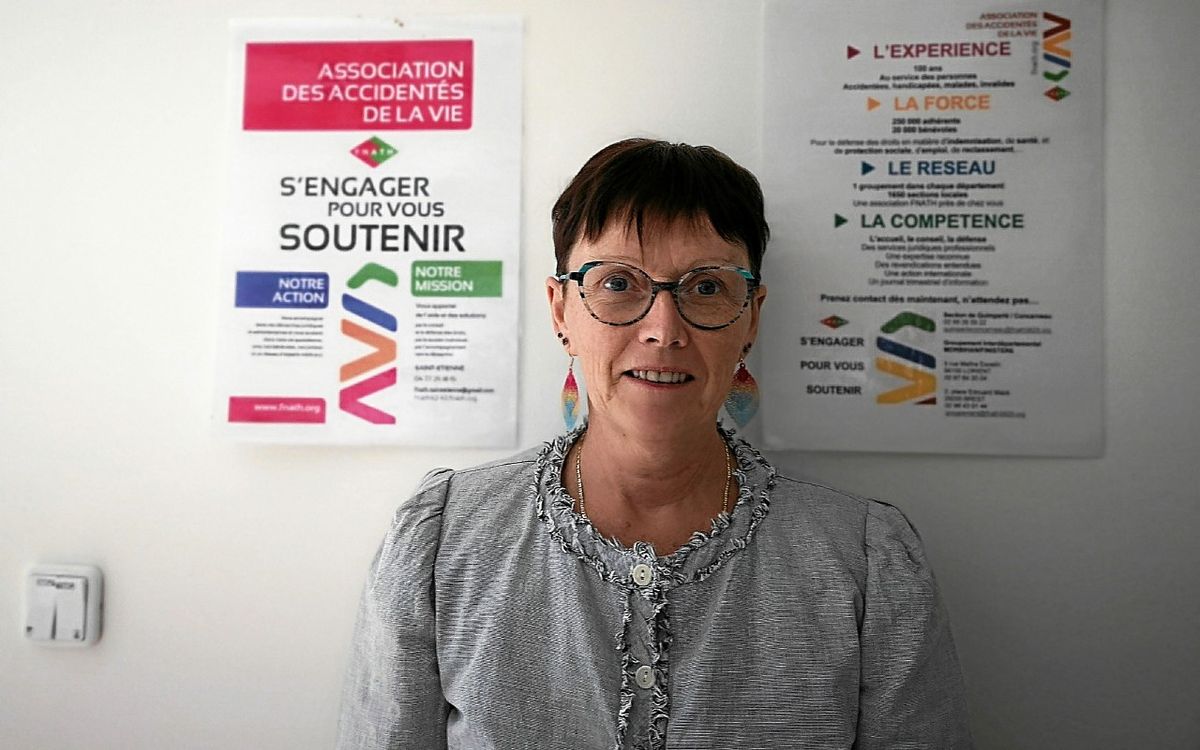
Unraveling the Enigma: The Search for FNATH Quimperlé Présidente
In the digital age, information about organizations and their leaders is often just a few clicks away. However, for those specifically seeking details on the FNATH Quimperlé Présidente, the journey can prove surprisingly complex. Our comprehensive context review, drawing from various available sources, indicates a notable absence of direct, publicly accessible information regarding a president for a specific FNATH branch in Quimperlé.
This article delves into the nuances of this information gap, explores the broader context of FNATH as an organization, and offers insights into why specific local leadership details might be elusive. While the immediate search for "FNATH Quimperlé Présidente" may not yield a definitive name or profile, understanding the structure and mission of FNATH provides invaluable context and practical pathways for those seeking local engagement.
Understanding FNATH: A National Force for Accident Victims
To comprehend the localized search for a FNATH Quimperlé Présidente, it's essential first to understand FNATH itself. FNATH, or the "Fédération Nationale des Accidentés du Travail et des Handicapés" (National Federation of Victims of Occupational Accidents and Disabled Persons), is a venerable French association dedicated to defending the rights and interests of accident victims and individuals with disabilities. Established with a profound commitment to social justice, FNATH has been a cornerstone of support for decades, evolving to address the changing needs of its beneficiaries.
The organization's mission is multifaceted. It provides crucial assistance with administrative procedures, legal advice, and advocacy to ensure victims receive fair compensation and access to necessary rehabilitation and support services. From navigating complex insurance claims to representing members in legal disputes, FNATH acts as a vital intermediary and advocate. Its reach extends across France, offering a network of support that is both national in scope and deeply rooted in local communities. This national presence is underscored by its robust digital footprint, like its LinkedIn profile, which showcases its broad activities and commitment to its members.
Key aspects of FNATH's operations include:
- Legal and Administrative Support: Assisting members with claims for occupational diseases, accidents, and disability benefits.
- Advocacy: Lobbying public authorities and institutions for stronger protections and improved rights for accident victims and people with disabilities.
- Information and Guidance: Providing up-to-date information on legislation, rights, and available support systems.
- Community and Solidarity: Fostering a sense of community among members, offering peer support and a platform for shared experiences.
This decentralized, yet interconnected, structure means that while FNATH's mission is universal, its practical application often comes through the dedicated efforts of local branches and their leaders.
Decoding the Absence: Why "FNATH Quimperlé Présidente" Information May Be Elusive
The primary finding from our in-depth context review is clear: information specifically pertaining to a FNATH Quimperlé Présidente is not readily available through general searches or the provided reference materials. This isn't necessarily an indicator of absence, but rather a reflection of several common factors that can make highly localized leadership information challenging to pinpoint.
The Nature of Decentralized Organizations
FNATH, like many large national associations in France, operates through a network of local and departmental branches. While there's a national governing body and a national president, each local chapter (or section, as they are often called) typically has its own leadership, including a president. These local leaders are crucial for grassroots engagement, but their public profiles might not always be as prominent or as widely indexed online as those of national figures.
For a town like Quimperlé, which is a commune in Brittany, France, the local FNATH presence would likely fall under a broader departmental federation (e.g., Finistère or a regional grouping). The "présidente" of a specific Quimperlé section might be a volunteer whose role, while vital to the local community, doesn't generate extensive national or even regional digital footprints that are easily searchable outside very specific local directories.
Limitations of Public Data and Search Indexing
Online search engines prioritize information that is widely published, frequently updated, and linked across multiple authoritative sources. Leadership details for very specific local chapters might only be available in:
- Local Association Directories: Often maintained by municipal governments (mairies) or local community centers, which might not be fully digitized or easily searchable by global engines.
- Internal Communications: Within the FNATH network, distributed through newsletters or internal websites not accessible to the general public.
- Local Media Archives: Mentions in small town newspapers or local news websites that might not have strong SEO or broad indexing.
As the Is There a FNATH Quimperlé Présidente? Context Analysis further elaborates, the lack of information in readily available online sources doesn't mean the position doesn't exist, but rather that its public visibility is localized. This phenomenon is common for grassroots organizations where the focus is on direct community engagement rather than broad digital outreach for every local leader.
Focus of National vs. Local Information
The provided reference contexts, such as the FNATH National LinkedIn profile or discussions about FNATH at a national or regional level (like "FNATH, groupement Rhône Alp’ain" mentioned in a source), naturally focus on the broader organization. They highlight the overall mission, services, and impact, rather than drilling down into the specific leadership of every single local section across France. This disparity in focus further explains FNATH Quimperlé Présidente: Why Specifics Are Missing In Data when relying on general, non-local specific sources.
Navigating the Network: Strategies for Locating Local FNATH Details
For individuals genuinely seeking to connect with the FNATH Quimperlé Présidente or the local FNATH branch in Quimperlé, a more targeted approach is necessary. Given the decentralized nature of the organization, direct local inquiry is often the most effective method.
1. Contacting FNATH National or Regional Offices
The national FNATH organization or its broader regional federations (e.g., for Brittany or the Finistère department) will undoubtedly have records of all their active local sections and their current leadership. This is often the most reliable first step:
- National Website: Visit the official FNATH national website. Look for a "Contact Us" section, a directory of local branches, or a map feature. They usually provide general contact numbers or email addresses.
- Regional Federation: If a direct Quimperlé contact isn't immediately visible, try to find the FNATH federation responsible for the Finistère department or the Brittany region. They can then direct you to the specific Quimperlé section or provide contact details for its president.
2. Local Government (Mairie) and Community Resources
The Mairie (Town Hall) of Quimperlé is an invaluable local resource. French municipalities often maintain comprehensive lists of local associations, their contact details, and sometimes even the names of their primary leaders. You can:
- Visit the Mairie: Inquire directly at the information desk. They often have printed directories or can guide you to the relevant municipal department that handles local associations.
- Check the Mairie Website: Many town halls have a section dedicated to "Vie Associative" (Associative Life) or "Annuaire des Associations" (Associations Directory) on their official websites. Search for FNATH within these sections.
- Local Social Services: Departments within the Mairie focused on social welfare or public health might also have direct contact with local support groups like FNATH.
3. Local Press and Community Boards
Keep an eye on local newspapers, community newsletters, and public bulletin boards (often found at the Mairie, post office, or community centers) in Quimperlé. Local FNATH sections often announce their meetings, events, or permanent office hours through these traditional channels. These announcements might include contact names or phone numbers for the local leadership.
4. Direct Inquiry at Known Locations (If Applicable)
If you are aware of a general FNATH office or known meeting point in Quimperlé or a nearby larger town, a direct visit during office hours might yield the desired information. Look for signage or posted notices.
The Vital Role of Local FNATH Branches and Their Leaders
Even without knowing the specific identity of the FNATH Quimperlé Présidente, it's possible to appreciate the critical function such a leader and their local branch would perform. Local FNATH sections are the frontline of the organization's mission, directly serving their community members.
The president of a local FNATH branch, like one in Quimperlé, typically shoulders a variety of responsibilities:
- Community Outreach: Promoting awareness of FNATH's services within the local community, reaching out to potential beneficiaries, and collaborating with other local associations and public services.
- Member Support: Overseeing the provision of advice, assistance, and support to local members, ensuring they can access the full range of FNATH services. This often involves guiding them through complex administrative or legal processes.
- Representation: Acting as the local face of FNATH, representing the interests of accident victims and disabled persons in local forums, before municipal authorities, and with regional healthcare providers.
- Event Organization: Arranging local meetings, information sessions, and solidarity events to foster a supportive community among members.
- Administration: Managing the day-to-day operations of the local section, including finances, record-keeping, and coordination with the departmental or national FNATH structure.
These local leaders are often volunteers, driven by a deep commitment to social justice and solidarity. Their work ensures that the national mission of FNATH translates into tangible support for individuals struggling with the consequences of accidents or disabilities in their specific town or region. The dedication of such individuals is what makes FNATH a powerful and effective advocate across France.
Conclusion
While the direct search for "FNATH Quimperlé Présidente" may initially lead to an informational void in broad public databases, it underscores the importance of understanding the layered structure of organizations like FNATH. The absence of easily digestible, centrally indexed information does not diminish the existence or vital role of a local FNATH branch in Quimperlé or its dedicated leadership.
FNATH remains a crucial organization championing the rights of accident victims and disabled persons across France. For those in Quimperlé seeking their assistance, the most effective path forward involves leveraging the strategies outlined: reaching out to the national or regional FNATH body, consulting local government resources, and tapping into community networks. By doing so, individuals can successfully connect with the local FNATH support system, whether through its president or other dedicated members, ensuring that the essential services and advocacy FNATH provides continue to reach those who need them most.